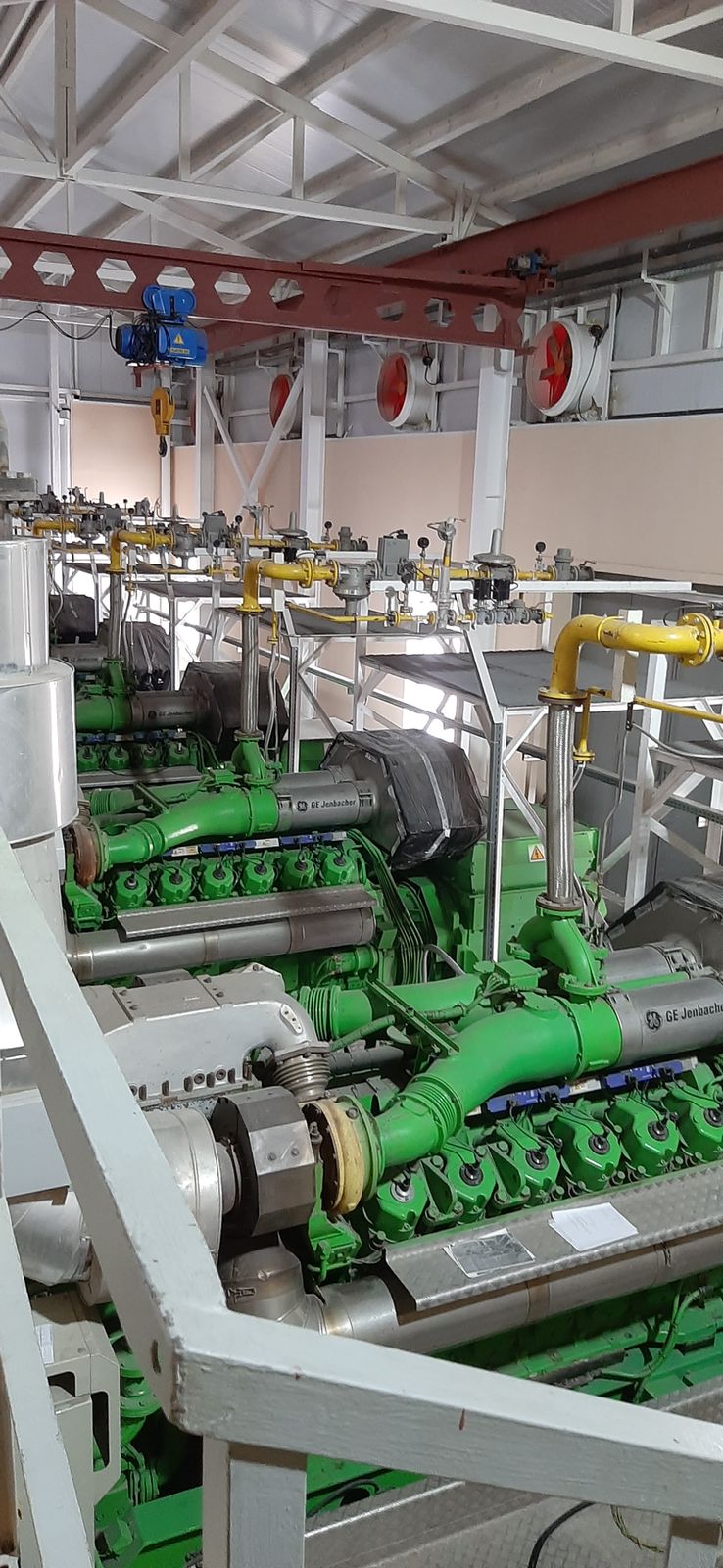
A buyer was evaluating an unfinished six-unit gas-engine power plant. The installation looked advanced, but visible progress did not establish whether the engines were ready, the balance of plant was complete or the transaction evidence was sufficient.
A visually advanced installation can contain three different liabilities: stored-engine condition, unfinished balance of plant and transaction-document risk.
Case snapshot
| Field | Case detail |
|---|---|
| Asset | Six used Jenbacher J612 units and associated plant infrastructure |
| Project stage | Unfinished installation before commissioning |
| K4 scope | Plant completion review and borescope inspection of all six engines |
| Electrical system | 6.3 kV switchgear, two bus sections, three engine feeders per section |
| Decision question | Whether the asset justified further buyer commitment |
| Outcome | Transaction not progressed after technical and document risks were considered together |
The investment question
The buyer needed to know whether a partially completed plant justified further investment. Confirming that six engines were physically present was not enough. The decision required four evidence streams: engine condition, plant systems, work remaining before commissioning and transaction-critical documentation.
What was installed
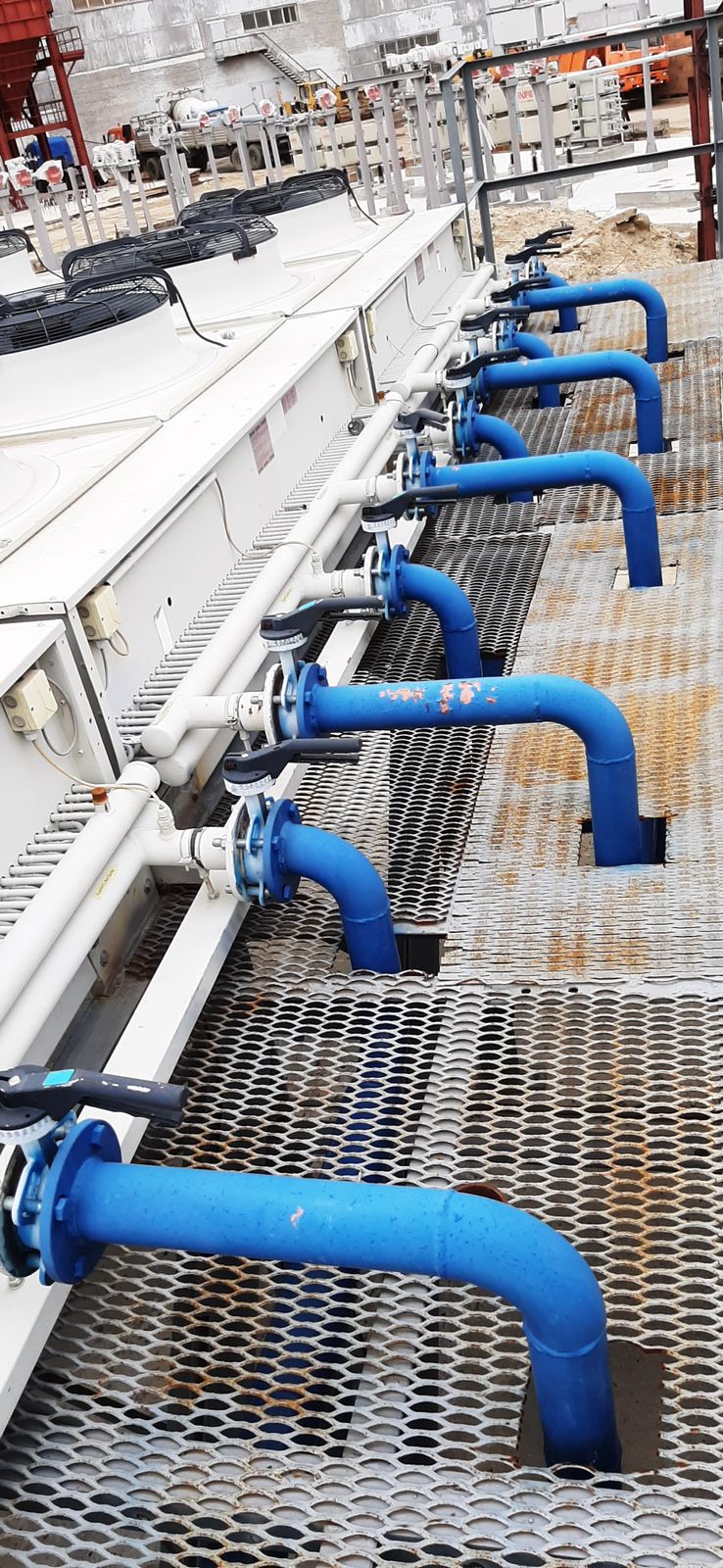
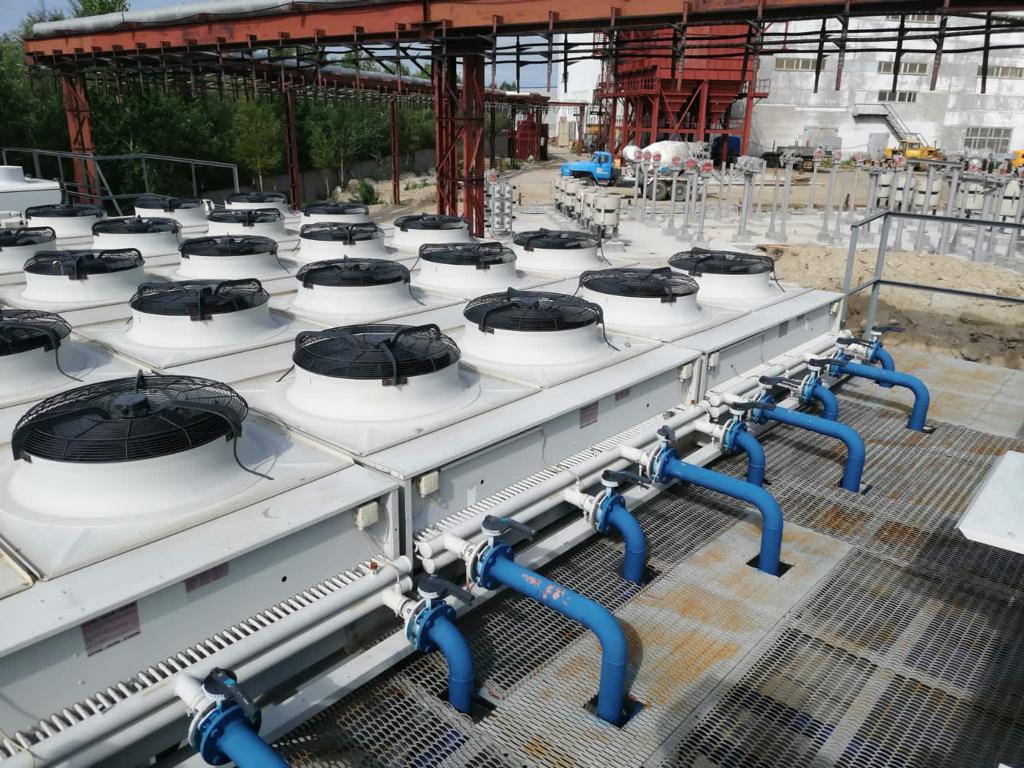
The plant comprised six used J612 units on individual foundations. Inspected infrastructure included mechanical ventilation, separate high- and low-temperature cooling circuits, control and synchronisation cabinets, energy metering and 6.3 kV switchgear.
Why “almost complete” was not commissioning-ready
At the inspection date, open work remained on the oil filling, draining and make-up system; thermal protection around indoor exhaust sections; pneumatic actuation of three-way valves; and the external fuel-gas connection. The indoor exhaust routing also required further engineering review.
This case does not state a percentage complete, cost to complete or later commissioning status. Those outcomes were not established in the publishable evidence.
Borescope inspection of all six engines
K4 examined the cylinder groups of all six engines. No critical cylinder-group wear was identified during that inspection. Individual cylinders did show scoring associated with loosened carbon deposits, and rust was visible on some liners. Deposits on valves, cylinder heads and piston crowns were consistent with the operating-history range observed in the inspection record and had begun to loosen during storage and mechanical handling.
Observed condition did not prove full engine health.
A borescope finding is one evidence layer. It does not establish the condition of every component, future remaining life or the root cause of liner rust. Condensation during storage and coolant ingress through aged seals remained possible explanations, not proven causes.
The remediation scope
K4 recommended removing the cylinder heads for deeper assessment, cleaning and evaluating the cylinder heads, pistons and liners, and replacing liners or piston assemblies where condition required.
- Pressure-test all plate heat exchangers because leakage traces were visible across the inspected group.
- Replace missing starter batteries.
- Replace batteries serving safety systems that were beyond their service date.
- Close the remaining oil, exhaust, pneumatic and external gas-system work before commissioning.
Technical finding → commercial consequence
| Finding | Decision consequence |
|---|---|
| Six installed engines with incomplete condition evidence | Inspect every unit; do not rely on sampling or exterior appearance |
| Scoring, liner rust and loosened deposits | Define deeper inspection and remediation before acceptance |
| Leakage traces at heat exchangers | Require group-wide pressure testing |
| Open balance-of-plant work | Separate completion scope from engine condition |
| Separate site-document risk | Bring technical and transaction risks into one decision memo |
The buyer did not progress the transaction after the technical exposure and a separate site-document issue were considered together. The legal particulars are intentionally not described because they are outside the publishable evidence set.
Lessons for buyers and developers
- Inspect all engines in a multi-unit offer; sampling can hide unit-to-unit differences.
- Separate engine condition from balance-of-plant completion.
- Treat storage history and preservation as technical evidence, not as seller narrative.
- A commissioning plan needs a closed remediation scope, not only engines that can be turned over.
- Technical findings and transaction-document risks must meet in the same decision.
Evaluating a used gas-engine plant?
Send K4 the equipment list, stated hours, service records, single-line diagram and current installation status. We will separate engine condition, completion scope and transaction-critical gaps.