K4 reviewed an offer for three used Jenbacher J320 GS units stated as manufactured in 1996. The available document identified the model, year, 50 Hz configuration and headline output data, but it did not establish a sufficiently attractive risk/value case for the buyer to fund travel and physical inspection.
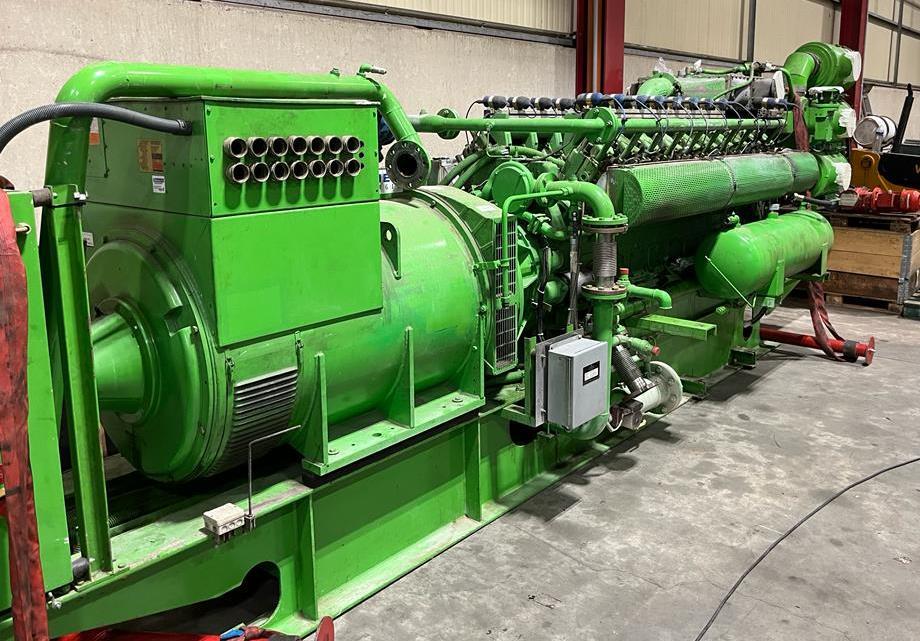
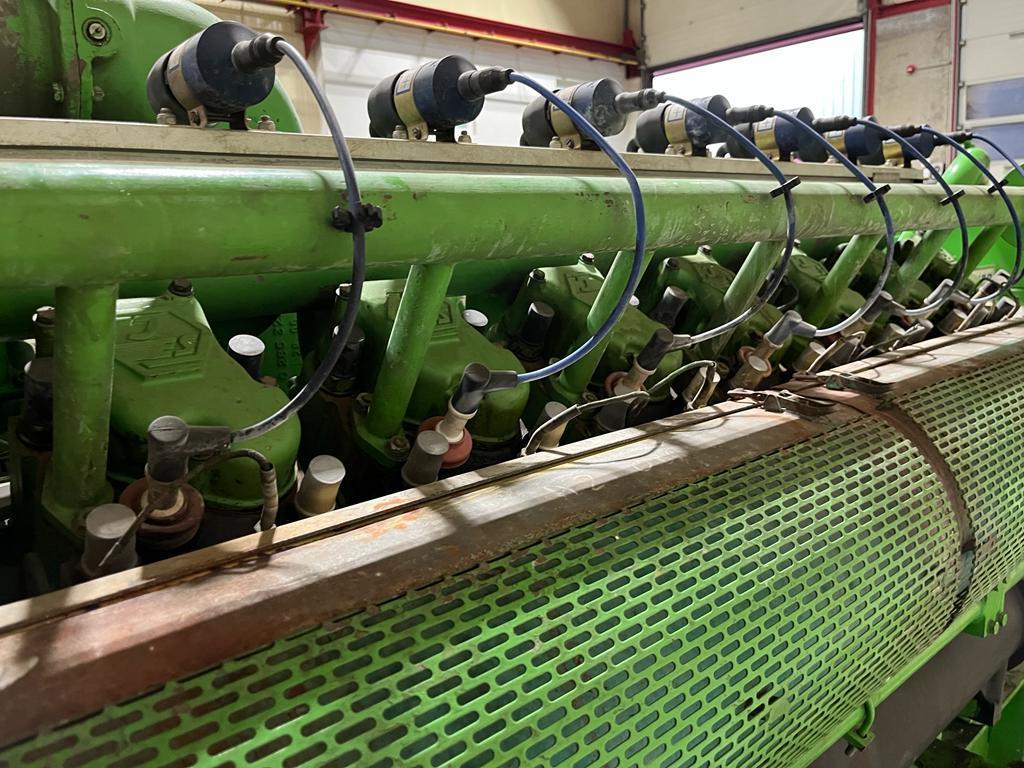
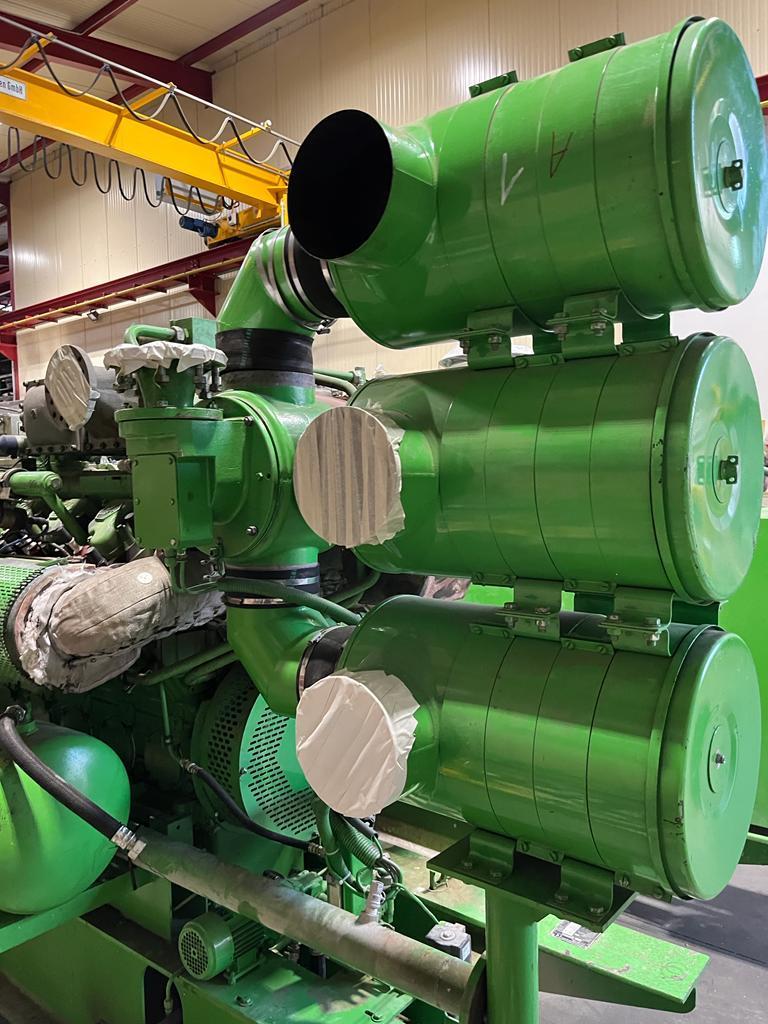
The offer included seller-supplied images reproduced below. They formed part of the desk-review evidence only and are not presented as K4 inspection photographs.
A low-cost desk review should decide whether a transaction deserves the next dollar of diligence — not simply produce a longer list of questions.
Case snapshot
| Field | Case detail |
|---|---|
| Offer | Three used Jenbacher J320 GS units |
| Stated manufacture | 1996 |
| Review stage | Remote desk screening |
| Physical condition | Not inspected and not judged |
| Decision question | Whether travel and paid inspection were justified |
| K4 conclusion | Do not progress unless the evidence or commercial terms change materially |
The offer
The supplier material contained basic model and electrical data. It did not provide a complete operating-history record in the evidence available for review. Running hours were not established, and the public case does not reproduce seller identity, contact data, location or asking price.
The decision question
The useful question was not whether the units could be proven defective from a desk. They could not. The question was whether the offer justified spending more on travel, inspection and transaction work.
Basic specification and commercial context received.
Age, configuration and evidence quality tested.
Decide whether paid physical inspection is justified.
Do not spend further unless the case changes.
The screening logic
- equipment age and stated configuration;
- completeness and quality of the available evidence pack;
- maintenance and operating-history visibility;
- commercial context and risk-adjusted value;
- whether new evidence could materially change the decision.
The outcome
K4 did not recommend progressing to paid physical inspection unless the evidence or commercial terms changed materially.
This was not a physical-condition verdict.
The conclusion was that the offer did not justify deeper paid inspection on the available risk/value profile. It does not claim that the three units were in bad physical condition.
The commercial lesson
Due diligence begins before the engine hall. A staged process protects the buyer's diligence budget by requiring each stage to earn the next one.
The desk stage can end in three useful outcomes:
- Proceed: evidence and value justify inspection.
- Proceed with conditions: request defined documents before travel.
- Stop: do not spend further unless the offer changes.
This case reached the third outcome. No travel-cost saving or avoided-loss amount is claimed because no such figure is established in the evidence.
Screen the offer first
Send K4 the offer, nameplate photographs, stated hours, maintenance records and asking terms. A staged desk review can identify whether the opportunity justifies travel and physical inspection.